

 Air Conditioning


 Heating


 Plumbing


 Electrical


 Appliances


 Commercial


 Nashville
 Financing
Your trusted home service experts
St. Louis Heating Repair HVAC Experts
Get fast, reliable heating repair in St. Louis from licensed technicians. We diagnose and fix furnaces, boilers, heat pumps, ductless, and geothermal systems to restore comfort quickly.
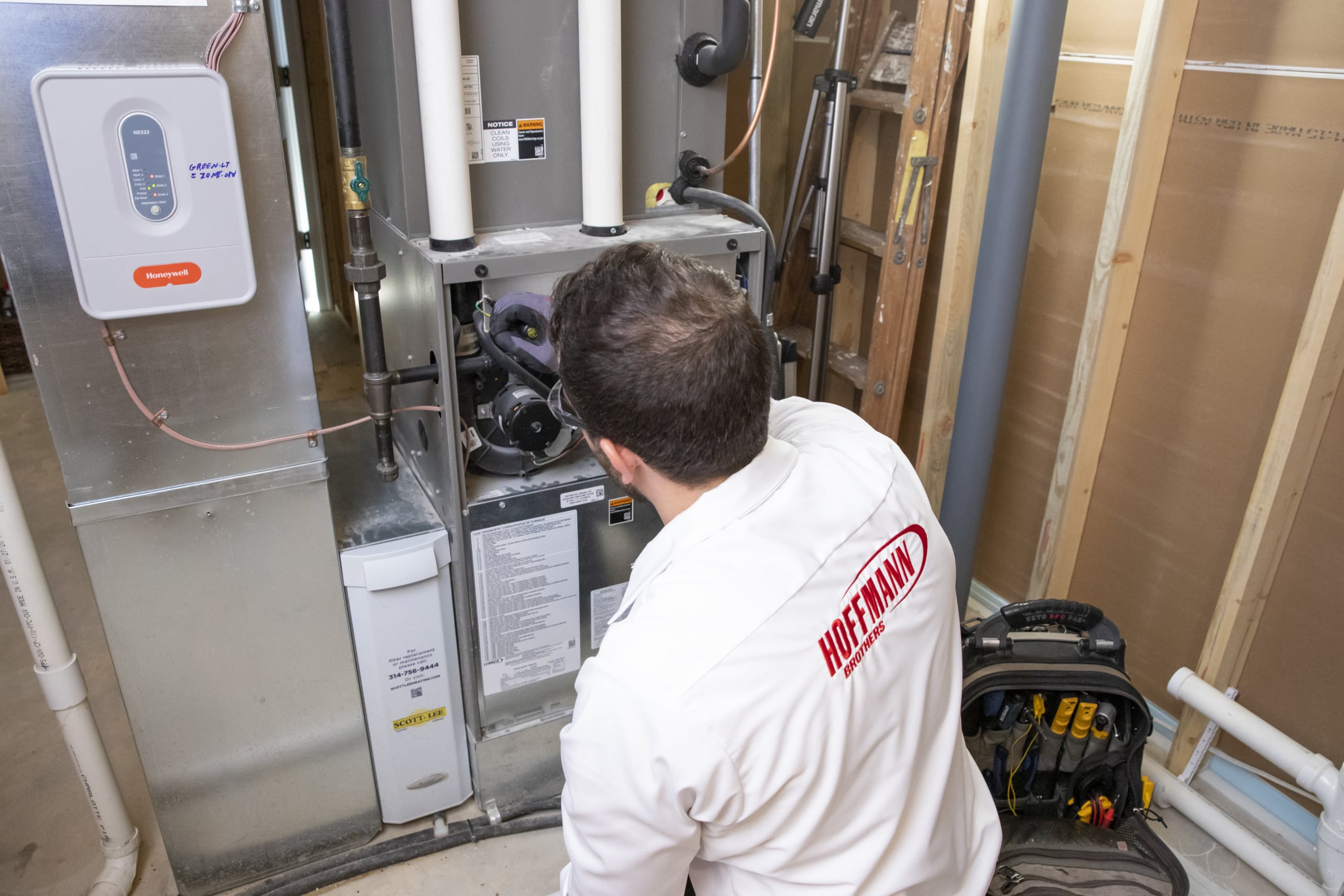
If your heating system is not keeping your home warm, making unusual noises, or has stopped working completely, it may need professional repair. Our St. Louis technicians identify issues quickly and provide solutions that restore heat and prevent further damage.
Heating problems often start small but can quickly lead to complete system failure if ignored. Many homeowners notice uneven heating, rising energy bills, or strange smells before a breakdown occurs. Addressing these issues early helps prevent larger repairs and keeps your home safe and comfortable during cold St. Louis winters.
Heating Repairs: Check First
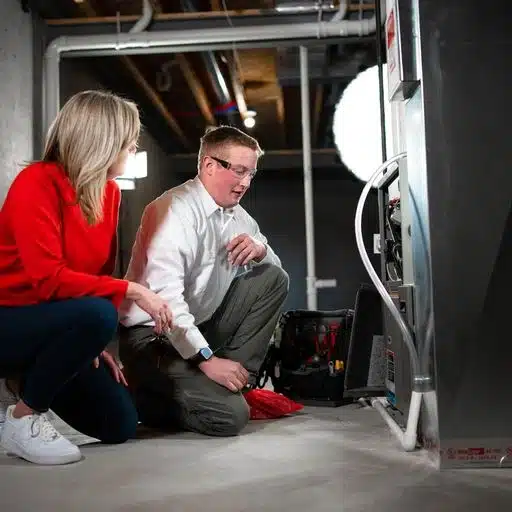
Before calling for heating repair, there are a few simple things you can check that may restore heat or help identify the issue. Many common heating problems are caused by minor settings or airflow restrictions.
Quick Checks to Try First:
- Thermostat Settings: Make sure your thermostat is set to “heat” and the temperature is higher than the current room temperature
- Power Supply: Check your breaker panel and ensure the system has power
- Air Filter: A dirty or clogged filter can restrict airflow and reduce heating performance
- Vents and Registers: Confirm vents are open and not blocked by furniture or debris
- Pilot Light or Ignition: For gas systems, check that the pilot light is lit (if applicable)
If these steps don’t resolve the issue, your system may require professional diagnosis and repair.
Residential & Commercial Heating Repair Services
Heating systems can fail in different ways depending on the equipment type. Below are the most common heating issues homeowners experience and what they typically mean.
No Heat or System Won’t Turn On
If your heating system won’t start, the issue may be related to power, ignition, or internal components.
Possible Causes:
- Tripped breaker or power issue
- Faulty thermostat
- Ignition or pilot light failure
- Blown fuse or electrical issue
Weak Airflow or Uneven Heating
If some rooms are warm while others stay cold, airflow or system performance may be the problem.
Possible Causes:
- Dirty air filter
- Blocked or closed vents
- Ductwork issues or leaks
- Aging or undersized system
Strange Noises (Banging, Screeching, or Rattling)
Unusual sounds can indicate loose or failing components inside your system.
Possible Causes:
- Loose parts or panels
- Worn belts or bearings
- Motor or blower issues
- Expanding or contracting ductwork
System Turns On and Off Frequently (Short Cycling)
Short cycling can reduce efficiency and lead to premature system failure.
Possible Causes:
- Dirty filter restricting airflow
- Thermostat issues
- Overheating components
- System improperly sized for the home
Rising Energy Bills Without Increased Usage
If your heating costs are climbing without a clear reason, your system may be working harder than it should.
Possible Causes:
- Poor insulation or airflow issues
- Reduced efficiency due to age
- Lack of maintenance
- Failing components
Heating System Not Working
What Should You Check Next
If your heating system has stopped working completely, there are a few additional checks you can make before scheduling service. These steps can help rule out simple issues and give you a better sense of what might be wrong.
Check Thermostat Functionality
Make sure your thermostat is responding properly and set to heat mode.
What to Check:
- Replace batteries if needed
- Confirm correct temperature setting
- Check for blank or unresponsive display
- Ensure wiring is secure (if accessible)
Inspect the Circuit Breaker and Power Supply
A loss of power is one of the most common reasons a heating system stops working.
What to Check:
- Reset any tripped breakers
- Confirm system switch is turned on
- Check for blown fuses if applicable
Look for Airflow Restrictions
Restricted airflow can cause systems to shut down or overheat.
What to Check:
- Replace dirty air filters
- Make sure vents are open and unobstructed
- Check return vents for blockages
Check for Error Codes or Warning Lights
Modern systems often display error codes that help identify the issue.
What to Check:
- Look for blinking lights or codes on the unit
- Reference your system manual if available
- Note any codes before calling for service
If your system still isn’t working after these checks, it’s best to have a professional diagnose the issue to avoid further damage.
Heating System Turns On
But Not Heating Properly
If your heating system is running but your home still feels cold, the issue is often related to airflow, efficiency, or internal system components. This is one of the most common heating repair problems.
Restricted Airflow
Limited airflow can prevent warm air from circulating throughout your home.
Common Causes:
- Dirty or clogged air filter
- Blocked vents or registers
- Ductwork leaks or obstructions
System Running Inefficiently
An aging or poorly maintained system may run but struggle to produce enough heat.
Common Causes:
- Worn internal components
- Lack of routine maintenance
- System nearing end of lifespan
Thermostat Calibration Issues
If your thermostat is not reading temperatures correctly, your system may not heat as expected.
Common Causes:
- Incorrect thermostat placement
- Calibration issues
- Faulty thermostat sensor
Heat Distribution Problems
Uneven heating throughout your home can point to system or ductwork issues.
Common Causes:
- Poor insulation
- Air leaks in ductwork
- Improper system sizing
If your system is running but not heating properly, it’s important to address the issue early to prevent higher energy costs and further damage.
Have Questions?
Contact UsNot sure if you have a major issue or something minor? Schedule an inspection and lets get to the bottom of it together!
Contact Us
When to Call a Professional for Heating Repairs
While some minor issues can be resolved with basic troubleshooting, many heating problems require professional diagnosis and repair. Delaying service can lead to higher repair costs or complete system failure.
Your System Won’t Turn On or Stay Running
If your heating system fails to start or shuts off repeatedly, it may indicate electrical, ignition, or internal component issues that require professional repair.
You Notice Burning Smells or Unusual Odors
Strange smells can signal overheating components, dust buildup, or potential safety concerns that should be addressed immediately.
Loud or Unusual Noises Continue
Persistent banging, screeching, or rattling noises often point to worn or failing parts that need expert attention.
Your Home Isn’t Heating Consistently
If some areas of your home remain cold despite the system running, there may be airflow, ductwork, or system performance issues.
Energy Bills Are Increasing Without Explanation
A sudden rise in heating costs can indicate reduced efficiency or failing components within your system.
Calling a professional early can help prevent more serious damage and ensure your system operates safely and efficiently.
Types of Heating Systems We Repair
We provide expert heating repair in St. Louis for a wide range of systems used in homes throughout the area. Each system type has unique components and repair needs, and our technicians are trained to diagnose and fix issues across all major systems.
Furnace Systems
Furnaces are one of the most common heating systems and can run on gas or electricity. If your system is not producing heat or cycling improperly, our furnace repair team can get your system running again.
Boiler Systems
Boilers use hot water or steam to heat your home and require specialized repair when issues arise. We provide expert boiler repair to maintain safe and consistent heating.
Heat Pump Systems
Heat pumps provide both heating and cooling, making them a versatile option for many homes. If your system is not heating properly, heat pump repair may be needed to restore efficiency and performance.
Ductless Mini-Split Systems
Ductless systems allow for targeted heating without traditional ductwork. Issues with airflow or temperature control can often be resolved with professional ductless heating repair.
Geothermal Heating Systems
Geothermal systems use underground energy to heat your home efficiently. While highly reliable, they may still require occasional service or a scheduled geothermal repair appointment to maintain performance.
Key Heating System Components Explained
Understanding the main components of your heating system can help you better identify issues and communicate with a technician when repairs are needed.
Thermostat
The thermostat controls when your heating system turns on and off based on your temperature settings.
Furnace or Heating Unit
This is the main system responsible for generating heat, whether through gas, electric, boiler, or geothermal systems.
Blower Motor
The blower motor circulates warm air through your ductwork and into your home.
Heat Exchanger
The heat exchanger transfers heat safely from the system to the air that is distributed throughout your home.
Ductwork and Vents
Ducts carry heated air to each room, while vents control airflow and distribution.
Air Filter
The air filter traps dust and debris, helping maintain airflow and indoor air quality.
Safety Controls and Sensors
These components monitor system performance and shut the system down if overheating or other issues are detected.
A better understanding of these components can make it easier to recognize problems and explain symptoms when scheduling service.
St Louis Repairing a Heater FAQs
- How Much Does a Heating Repair Cost?
- Do You Offer Emergency Heating Repair Services?
- Do You Offer Financing Options For Heating Repair In St Louis?
- Why Is My Heater Running But Not Heating?
- When Should I Repair vs Replace My Heating System?
- How Quickly Can Heating Repairs Be Completed?
- What Types of Heating Systems Do You Repair?
- Why does my HVAC system run constantly?
- Why is one room hotter or colder than the rest?
- What causes weak airflow from vents?