

 Air Conditioning


 Heating


 Plumbing


 Electrical


 Appliances


 Commercial


 Nashville
 Financing
Your trusted home service experts
Furnace Won’t Turn On? Check These First
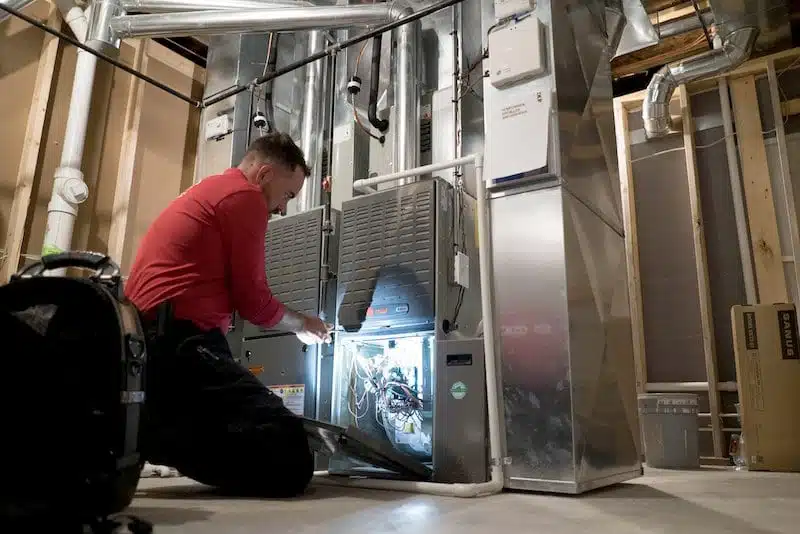
If your furnace isn’t turning on, common causes include thermostat issues, a tripped circuit breaker, a clogged air filter, or problems with the ignition system. Start by checking your thermostat settings, power supply, and filter. If the issue continues, it may require professional repair. Hoffmann Brothers technicians diagnose ignition failures, airflow restrictions, thermostat problems, and furnace limit switch issues.
A furnace that won’t turn on can be frustrating, especially in colder weather. In many cases, the issue is related to a simple setting or maintenance item. This guide walks through the most common causes and what to check first, so you can understand what’s happening before scheduling service.


Furnace Troubleshooting Checklist
If your furnace isn’t turning on, go through these common checks to identify the issue:



- Check the thermostat
Make sure it’s set to “heat” and the temperature is higher than the room temperature. Replace batteries if needed.
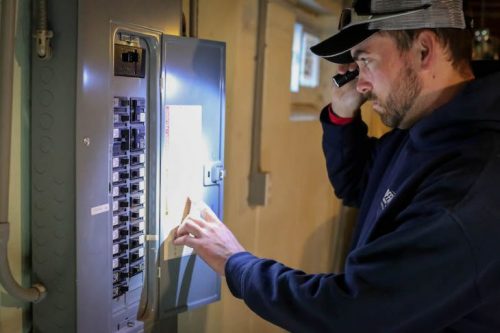
- Inspect the circuit breaker
A tripped breaker can shut off power to your furnace. Reset it if needed.
- Check the furnace power switch
Ensure the switch near your furnace is turned on. It may look similar to a light switch.
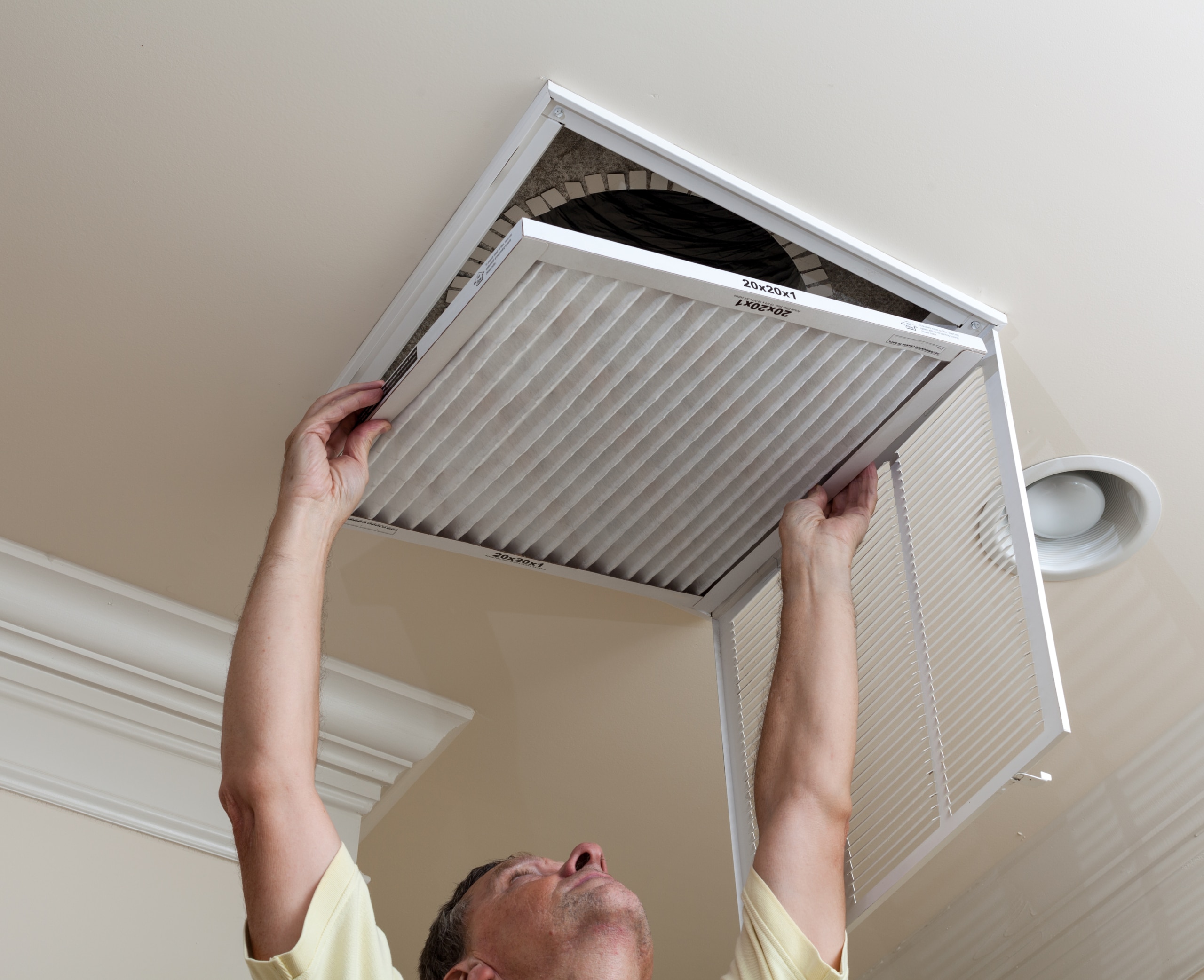
- Replace or clean the air filter
A clogged filter can affect airflow. If it appears dirty, replacing it may help improve system performance.
- Inspect the ignition system or pilot light
Older systems rely on a pilot light. Newer systems use electronic ignition components that may need service.
How to Change a Furnace Filter
Common Furnace Problems
and What They Mean
If your furnace isn’t turning on or isn’t working as expected, the issue is often tied to one of a few common problems.
Understanding these can help you narrow down what might be happening.
Review the list of common furnace issues below.
Thermostat Issues
Incorrect settings, low batteries, or calibration issues can prevent your furnace from turning on.
Tripped Circuit Breaker or Power Issue
Power interruptions, including tripped breakers, can prevent the furnace from turning on.
Ignition System or Pilot Light Problems
Older furnaces rely on a pilot light, while newer systems use electronic ignition. If these components aren’t working properly, the furnace may not produce heat.
Blower Motor or Airflow Issues
If the blower motor isn’t functioning correctly, your furnace may turn on but fail to circulate warm air throughout your home.
Overheating and Safety Shutoffs
If the furnace begins to overheat, built-in safety components may shut down the heating function to prevent damage. In some cases, the blower may continue running while heat production stops, which can result in cool air coming from the vents.
When the System Blows Cold Air Consistently
If your furnace continues blowing unheated air after these issues are ruled out, the system may require professional inspection. Dirty filters, ignition issues, or thermostat problems can cause a furnace to blow cold air.
When to Call a Pro for Furnace Repair
While some furnace issues can be identified with basic checks, certain situations may require professional inspection and repair. Recognizing these signs can help keep you healthy, prevent further system damage and restore reliable heating.
We troubleshoot furnaces with issues involving flame sensors, limit switches, blower motors, ignition systems, filters, and thermostats.
“Have your heating system, water heater, and any other gas, oil, or coal burning appliances serviced by a qualified technician every year.”
- US Centers for Disease Control and Prevention (CDC) [1]
The Furnace Still Won’t Kick On After Basic Checks
If your system does not respond after checking the thermostat, power source, and air filter, the issue may involve internal electrical components or system controls.
Unusual Noises During Operation
Banging, grinding, or squealing sounds can indicate mechanical issues within the furnace. These noises may be related to the blower motor, belts, or internal components.
Persistent Burning Smell or Odors
A brief odor when starting your furnace for the season can be normal, but ongoing or strong smells may signal an issue that should be evaluated.
Frequent System Cycling or Shutdowns
If your furnace turns on and off frequently or shuts down unexpectedly, it may be responding to internal safety controls or airflow issues.
Lack of Warm Air Despite System Running
If your furnace is running but not producing consistent heat after basic checks, it may indicate a problem with the heating components or airflow system.
You’re Unsure About the Cause of the Issue
If the problem is unclear or continues after troubleshooting, further inspection from a licensed professional can help diagnose and resolve the issue accurately.
If you need help diagnosing or resolving a furnace issue, you can learn more about our furnace repair services and what to expect during a professional visit.
Key Furnace Components Explained
Understanding a few key furnace components can make troubleshooting easier and help you better recognize what might be affecting your system.
- Furnace Thermostat
The thermostat controls when your furnace turns on and off. It communicates with your heating system to maintain the desired temperature inside your home.
- Furnace Air Filter
The air filter helps prevent dust and debris from entering your system and supports proper airflow.
- Circuit Breaker and Power Supply
Your furnace relies on electrical power to operate. The circuit breaker protects your furnace by shutting off power if an electrical issue occurs.
- Ignition System or Pilot Light
The ignition system starts the heating process. Older systems use a pilot light, while newer furnaces use electronic ignition components.
- Blower Motor
The blower motor is responsible for moving heated air through your ductwork and into your home. If it isn’t functioning properly, airflow may be reduced or inconsistent.
- Limit Switch
The limit switch is a safety component that monitors the temperature inside your furnace. If the system gets too hot, it can shut down the burner to help prevent overheating and damage.
Additional Furnace Resources
If you’re experiencing ongoing furnace issues or want to learn more about maintaining your system, these additional resources can help you understand your options and next steps.
Furnace Repair Services
If troubleshooting steps haven’t resolved the issue, the system may require professional diagnosis to restore proper function and performance.
If your system isn’t working as expected, explore our furnace repair services to understand common repair solutions and what to expect during service.
Furnace Replacement Options
If your furnace is older or experiencing repeated issues, replacement may be worth considering as a long-term solution.
Learn more about furnace replacement options and when it may make sense to upgrade your system.
Schedule a Furnace Tune-Up
Regular maintenance can help reduce unexpected issues and support consistent system performance over time.
Routine service can help keep your system running efficiently – explore our furnace maintenance services to learn more.
Frequently Asked Questions About Furnace Troubleshooting
- Why won’t my furnace turn on even though the thermostat is set correctly?
- Why is my furnace running but not producing heat?
- How often should I replace my furnace air filter?
- Is it normal for my furnace to make noise when it turns on?
- What should I check before calling for furnace repair?
- Why does my furnace keep turning on and off?