

 Air Conditioning


 Heating


 Plumbing


 Electrical


 Appliances


 Commercial


 Nashville
 Financing
Your trusted home service experts
Diagnosing & Solving Water Pressure Issues
Learn How to Find, Solve and Prevent These Problems
Water pressure in your home is affected by anything from overuse to corrosion to clogs. We’ll look at not just what causes water pressure problems but how to inspect your valves and fixtures, what changes you can make on your own, and when it’s time to call a professional.
Understanding Water Pressure Issues
We measure water pressure in pounds per square inch (psi).Normal water pressure falls between 45 and 80 psi. We classify low water pressure as pressure under 40 psi and high water pressure above 80 psi. Your house water pressure can be affected by your pipes, valves, fixtures, appliances, and water source [1].
Causes of Low and High Water Pressure
High and low water pressure can be caused by a failure of pressure regulators, closed shutoff valves, clogged pipes, or leaks. The pressure is also sometimes a function of your city or county’s water source, which you have no control over. It’s important to know why you have high or low water pressure in your home so you can take the proper steps to correct it.
Impacts of Improper Water Pressure
Water pressure issues can lead to higher utility bills, excess pressure on your pipes (which can lead to leaks), and reduced appliance lifespan. Regular maintenance and timely repairs will save you money in the long run and help you avoid emergencies.
Diagnosing Water Pressure Problems
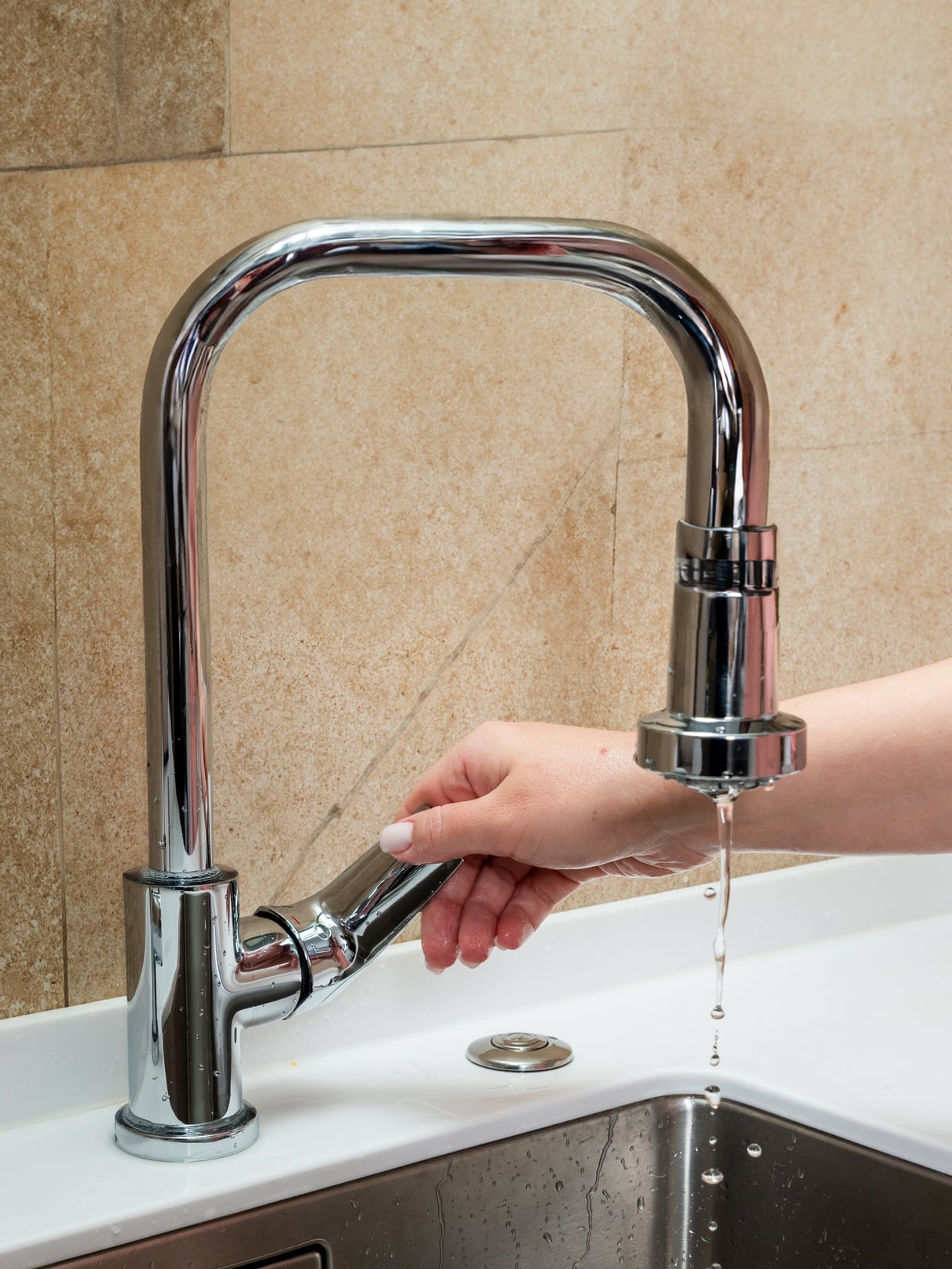
Here are some standard measures you can take at home to diagnose water pressure issues [2]:
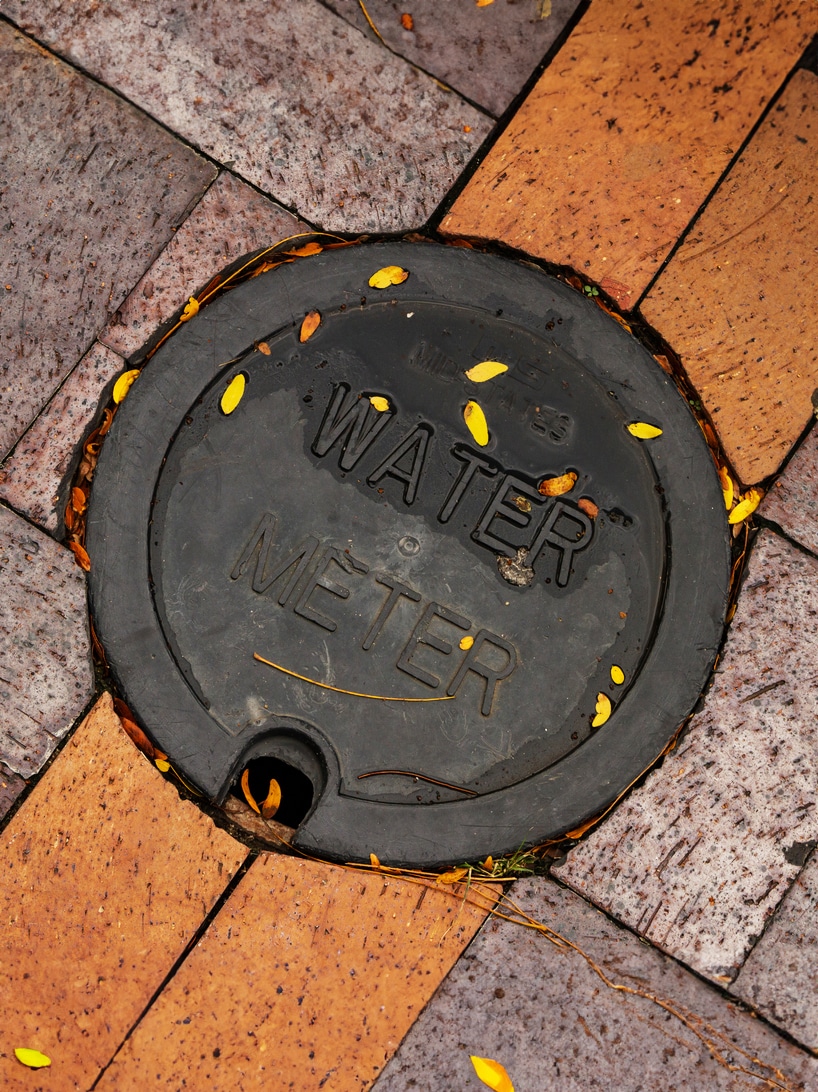
- Inspecting the Water Supply: If the city supplies your water, you should start with the water pressure meter (sometimes called a water pressure gauge). Whether near the curb or in front of your home, you should check for leaks around it and the exposed pipes outside your home. If you use well water, check the wellhead and the area around the well for signs of damage.
- Checking Valves and Regulators: To check the valves, you first need to shut off the main valve (usually located near the street or in a shutoff box) and then ensure that all remaining valves are fully opened and are not damaged. You should also check the regulator near the water line entrance or the main shutoff valve for signs of leaks or damage.
- Identifying Plumbing Issues: Evaluate your pipes for any signs of clogs, leaks, or corrosion.
- Evaluating Fixtures and Appliances: If you clean out the aerator or screen on the fixtures, your water pressure issues may be an easy fix. You may also want to check your appliances (e.g., washing machine, water heater, etc.) for leaks or damage to ensure they’re not causing the problem. If your water pressure plummets when running multiple appliances, it’s usually a sign you need to upgrade your systems.
Solving Water Pressure Issues
Fixing low water pressure problems starts with correctly identifying them. Once you’re confident you know the problem, here are our suggestions about what to do next:
- Addressing Water Supply Issues: This could include contacting the city, patching up a wellhead, or using a home test kit to assess water composition.
- Repairing/Replacing Valves and Regulators: Repairing your valve may be as simple as tightening the packing nut. If you replace it, you’ll need to shut off the water supply and drain the water pressure tank, which is easier said than done. It is recommended to hire a professional to complete this task.
- Unclogging and Cleaning Pipes: Clear minor clogs with baking soda and vinegar, boiling water, or a plunger. As the clog dissolves, this should help clean out your pipes. Consider a drain snake kit to grab the sediment or call on a plumber to clear out deeper clogs.
- Addressing Corrosion and Leaks: You may need to turn off the water supply to stop a leak. If it’s a relatively minor problem, you can either tighten the packing nut of a valve or use a pipe clamp to create a seal. If it’s corrosion, you should repair or replace the corroded pipe. Sometimes, you can buff out corrosion with sandpaper or a wire brush, but more often than not, you’ll need to remove the damaged section and replace it with a new pipe.
- Upgrading Fixtures and Appliances: Upgrading fixtures and appliances is a relatively straightforward fix for your water pressure issues. The upside is that newer appliances are more efficient, which can both lower utility bills and correct your water pressure issues[3].
Maintenance and Prevention
You can maintain and prevent various water pressure issues by following simple rules. The most crucial plumbing maintenance tip is to pay attention to minor changes. This includes visually inspecting your pipes and appliances to identify problems before they worsen. You can also perform quick fixes, such as tightening loose valves or plunging your pipes. We recommend having your water system checked at least once a year as a standard maintenance practice.
When to Call a Professional Plumber
You should typically call a plumber for extreme water pressure problems, including very low or no water. If you need to work with gas lines, install new pipes, or replace your appliance, this is usually where a plumber can help you avoid accidents and costly repairs. An experienced plumber can keep disasters at bay whenever you feel uncomfortable with the task before you or are nervous about how a mistake could impact your property or yourself.
St. Louis
Explore the services we
offer at our St. Louis Location!
-
 (314) 664-3011
-
3700 Rider Trail South Suite 100
Earth City, MO 63045

 3700 Rider Trail South Suite 100
 Nashville
Explore the services we
offer at our Nashville Location!
-
(615) 515-3015
-
45 Willow St
Nashville, TN 37210